


I am asking a very stupid question in the article title. It will make sense when you read through it completely.
Although its primary function is record-keeping, the invoice also contains many detailed elements that are important for the customer and the muzdoor/vendor.
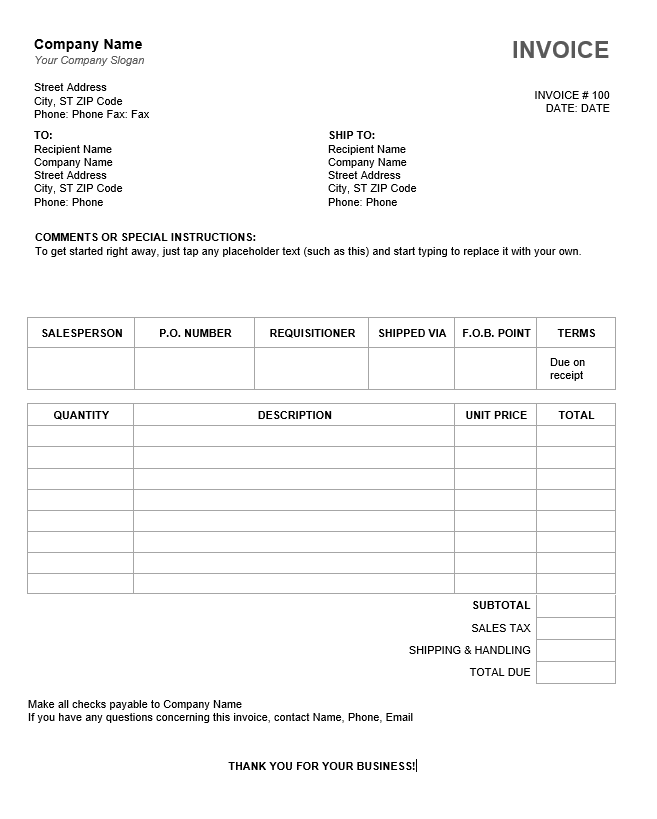
We will review the basic structure of an invoice in relation to accounts, finance, sales, and marketing. An invoice can be created for multiple purposes and is not merely a payment request. It contains several important elements. The image below shows a simple invoice, but it still includes a lot of information to understand. This example represents a generic format; customers may receive different invoices from their respective muzdoor or vendor.
As a muzdoor, it is important to communicate with customers in a transparent manner. Transparency reduces administrative time and effort for vendors. If you are a single muzdoor responsible for prospecting clients, sending proposals, managing multiple on-site jobs, and handling administrative tasks such as issuing invoices at the end of the day, you will quickly find yourself overwhelmed and constantly tied to work.
Invoice
When preparing your invoice, make sure the word INVOICE is written in large, bold, CAPITAL LETTERS . This makes it easier for the customer to immediately recognize that the document is an invoice. The word is displayed prominently; it is usually the first element the eye notices.
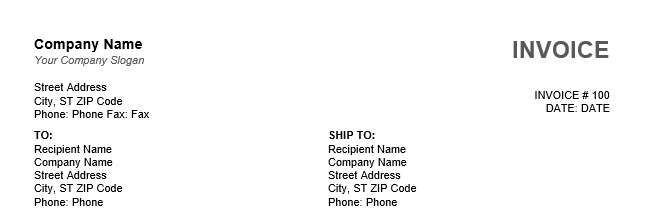
Typically, the word INVOICE is placed at the top right-hand side of the document. On the left-hand side, you should display your company name, logo, and slogan. The invoice number and invoice date are usually placed on the right-hand side, near the heading. However, there is no strict rule for this layout. You may design the invoice in a way that best suits your business needs.
On the top left-hand side, include your company name, followed by your slogan, and then your business address underneath. This information is important for the customer because it clearly shows where the company is located.
In some cases, an invoice may not include an address. This usually indicates that the muzdoor or vendor is working as an individual freelancer rather than operating from a registered office. In most situations, this does not surprise customers, because they typically communicate with or interview the muzdoor/vendor before receiving the invoice.
Invoice Part 1
Vendor must make sure that their customer information is correct. Otherwise, it is going to make huge problems at a later stage. Sometimes, the billing address is different than shipping address. The customer’s shipping address is necessary when a delivery is needed to made.
Once you clearly identified your message as an invoice then the next step is to understand. What exactly are you billing for?
Now, the main revenue collection block comes along.
Comments and Special Instructions
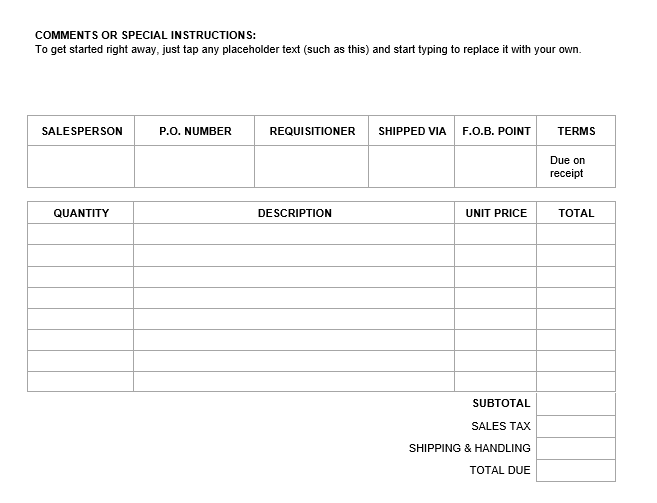
The first section is simply broadcasting comments, special instructions and message from the muzdoor/vendor to the customer.
If you are given a purchase order from the customer, it is usually means 45-days waiting time for vendors to get paid. Government sector and corporate wait usually 45 days to pay any muzdoor/vendor. There is a reason behind it and it is usually beneficial of the customer.
Order Information
It is simply ordering details and how the invoice will be handled. There are six parts in the image but it is not needed to customers and may not be provided by the muzdoor/vendor.
Invoice details
In your invoice, include a revenue section that clearly shows the details of the work or items you are charging for. This section should normally include the quantity, item description, unit price (or unit cost), and the total price for each line item. You should also display taxes separately, and include any shipping or handling charges, followed by the total amount due at the end of the section.
This part of the invoice usually consists of four columns and multiple rows, depending on how many items or services you provided to the customer.
List every item line by line. Each line should clearly describe the work or service performed. The Item Description is particularly important because it helps the customer understand exactly what work the muzdoor or vendor has completed.
Whenever possible, make sure the Item Description reflects the agreed Scope of Work (SoW) that was defined before the work started. This ensures clarity and reduces the chances of confusion or disputes with the customer.
Invoice Part 2
For residential customers, an invoice may not always seem very important at first. However, it becomes valuable when past records are needed. Whether it is an individual customer or a large household, an invoice provides instant information about previous maintenance work and the charges associated with it. For example, if you call the same serviceman again for a similar task, you can refer to the previous invoice as proof of the work performed and the amount charged. This helps remove ambiguity in communication and makes it easier for the decision-maker to proceed.
For enterprises and even small businesses, invoices play a much more structured role. Many organizations use accounting codes, project numbers, or department references on invoices to identify the purchasing requisition. This helps correlate the purchase with the specific department or project that required the work. Such sections may include references such as Purchase Order (PO), Sales Order, SKU, ISO references, or internal project codes, allowing businesses to track expenses accurately.
For residential customers, an invoice may not always seem very important at first. However, it becomes valuable when past records are needed. Whether it is an individual customer or a large household, an invoice provides instant information about previous maintenance work and the charges associated with it. For example, if you call the same serviceman again for a similar task, you can refer to the previous invoice as proof of the work performed and the amount charged. This helps remove ambiguity in communication and makes it easier for the decision-maker to proceed.
For enterprises and even small businesses, invoices play a much more structured role. Many organizations use accounting codes, project numbers, or department references on invoices to identify the purchasing requisition. This helps correlate the purchase with the specific department or project that required the work. Such sections may include references such as Purchase Order (PO), Sales Order, SKU, ISO references, or internal project codes, allowing businesses to track expenses accurately.
When creating an invoice, don’t underestimate the value of including marketing information. Customers might wonder why it is necessary, but adding promotional details can help you generate more repeat business. Just like companies, retail shops, restaurants, and freelancers use receipts to promote additional services or special offers, you can do the same on your invoices.
For example, if a customer regularly uses your services, highlighting discounts, promotions, or special offers on the invoice can encourage them to return. Customers often pay attention to coupons, offers, or loyalty deals from vendors they trust. Many retailers and restaurants advertise daily, weekly, or monthly promotions on their receipts, and customers actively look for these deals—especially during major sales or festive occasions.
Instruction for Vendors
By combining invoicing with subtle marketing, you not only maintain transparency but also increase your chances of repeat business.
The footer of your invoice is just as important as the header. It completes the document and ensures smooth payment and communication. Here’s what to include:
By following these steps, your invoice will not only facilitate payments but also strengthen customer trust and promote your services effectively.

Invoice Part 3
Customers need invoice for record purposes and for future use. To identify an invoice, a word invoice is written on the invoice which identifies that it is an invoice. Customer need invoices to record that specific invoice for a specific project for tax purpose. An invoice is a direct medium to get in touch with the muzdoor/vendor and look for other money saving promotions from them. An invoice helps any customer organized.
 Marketplace
 Jobs
Jobs Chokidar
 Crew
Crew QA Session
 Social Network